
High cholesterol is one of the leading risk factors for heart disease, heart attack, and stroke. Many people live with high cholesterol for years without symptoms, which makes early awareness and proper management critical. The good news is that cholesterol can be controlled with the right combination of lifestyle changes, diet, and medical guidance.
This guide explains what cholesterol is, why it matters, and practical steps you can take to manage it effectively.
What Is Cholesterol and Why It Matters
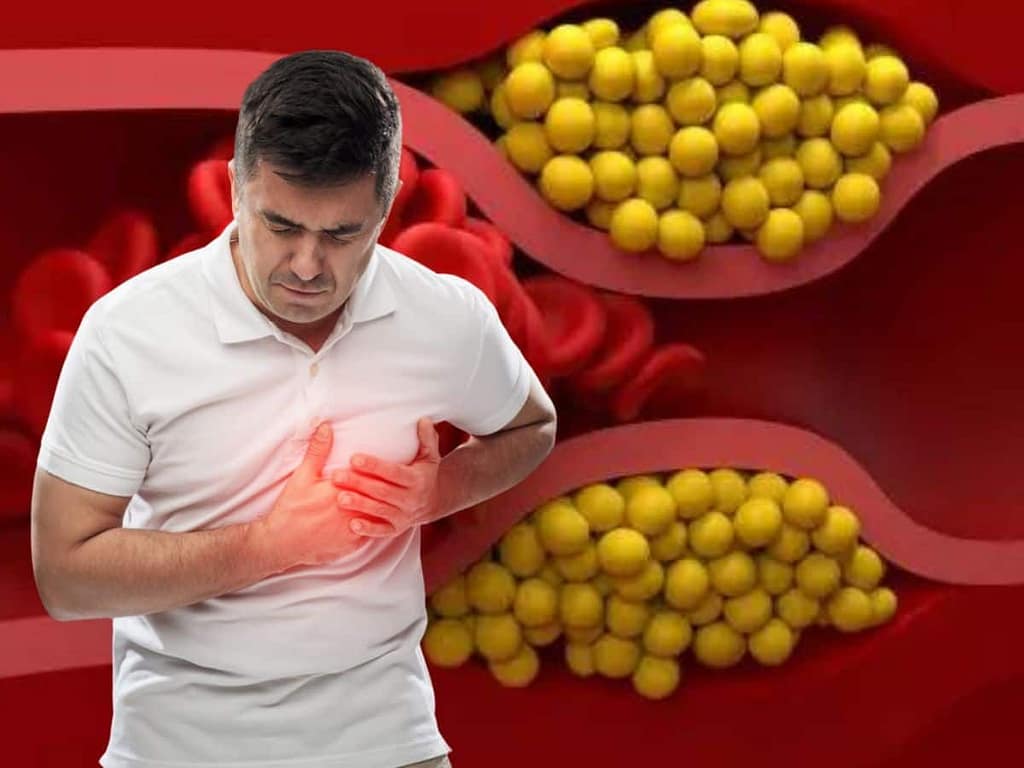
Cholesterol is a waxy substance found in your blood. Your body needs it to build cells and produce hormones, but excess cholesterol can accumulate in blood vessels and increase the risk of cardiovascular disease.
There are two main types of cholesterol.
LDL cholesterol is often called bad cholesterol because it builds up in arteries and restricts blood flow.
HDL cholesterol is known as good cholesterol because it helps remove excess cholesterol from the bloodstream.
High LDL or low HDL levels significantly increase the risk of heart disease, especially when combined with factors like high blood pressure, diabetes, smoking, or lack of physical activity.
Common Causes of High Cholesterol
High cholesterol is influenced by multiple factors, including diet and lifestyle.
Unhealthy eating habits that include fried foods, processed snacks, and sugary items
Lack of regular physical activity
Being overweight or obese
Smoking and excessive stress
Genetics and family history
Underlying conditions such as diabetes or thyroid disorders
Understanding the cause helps in choosing the right management strategy.
Actionable Tips to Manage Cholesterol
1. Improve Your Daily Diet
What you eat has a direct impact on your cholesterol levels.
Focus on whole foods such as fruits, vegetables, whole grains, and legumes.
Choose healthy fats from olive oil, nuts, seeds, and fish.
Reduce intake of fried foods, bakery items, fast food, and processed meats.
Limit sugar and refined carbohydrates like white bread and sugary drinks.
Add fiber rich foods such as oats, apples, beans, and lentils which help lower LDL cholesterol.
Even small dietary improvements can produce measurable results within weeks.
2. Exercise Regularly
Physical activity raises good cholesterol and lowers bad cholesterol.
Aim for at least 30 minutes of moderate exercise on most days.
Brisk walking, cycling, swimming, and light jogging are excellent options.
If you sit for long hours, take short movement breaks throughout the day.
Consistency matters more than intensity. Regular movement protects your heart over time.
3. Maintain a Healthy Weight
Excess body weight contributes to high cholesterol and heart strain.
Losing even five to ten percent of body weight can significantly improve cholesterol levels.
Combine balanced eating with daily activity rather than extreme dieting.
Track your progress and focus on long term habits.
4. Quit Smoking and Manage Stress
Smoking lowers good cholesterol and damages blood vessels.
Quitting smoking improves heart health within weeks.
Chronic stress increases inflammation and negatively affects cholesterol balance.
Practice stress management through prayer, breathing exercises, adequate sleep, or mindfulness techniques.
A calm routine supports both heart and mental health.
5. Get Regular Cholesterol Screening
Many people do not realize they have high cholesterol until complications occur.
Adults should get their cholesterol checked regularly, especially if they have risk factors.
Early detection allows lifestyle changes before medication becomes necessary.
Follow your doctor’s advice on testing frequency based on age and medical history.
When Is Medication Needed
Lifestyle changes are the foundation of cholesterol management, but some patients may require medication.
If cholesterol remains high despite diet and exercise
If there is a strong family history of heart disease
If the patient already has heart disease, diabetes, or high blood pressure
A cardiologist can determine the safest and most effective treatment plan based on individual risk.
Long Term Heart Health Matters
Managing cholesterol is not a short term goal. It is a lifelong commitment to heart health. With consistent habits, regular checkups, and expert guidance, the risk of heart disease can be significantly reduced.
Ignoring cholesterol levels can lead to serious complications, while proactive care leads to a longer, healthier life.
If you are concerned about high cholesterol or want to protect your heart health, professional guidance is essential.
Consult with our best heart specialist and cardiologist at Alaya Medical Center G-13 Islamabad near Golra Mor